
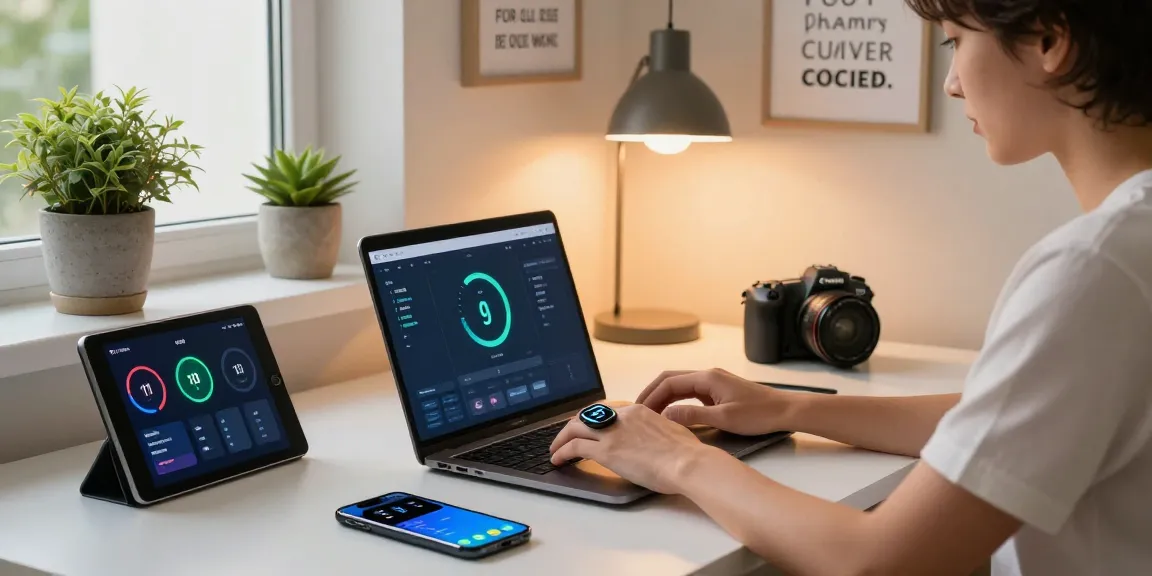
Understanding Smart Rings: An Overview
In an era where technology seamlessly integrates with our daily lives, smart rings are emerging as a compelling alternative to traditional wearables. These compact devices, often resembling conventional rings, offer a unique blend of functionality and style, catering to the growing demand for health tracking and connectivity. As the trend for smart rings gains momentum, understanding their features and applications becomes essential for consumers looking to enhance their lifestyle.
When exploring options, smart ring technologies encompass a range of functions, ranging from health monitoring to smart notifications, making them a noteworthy addition to the wearable tech landscape.
What is a Smart Ring?
A smart ring is a wearable device that typically fits on your finger and integrates technology to perform various tasks associated with health tracking, fitness monitoring, and connectivity. Unlike smartwatches or fitness bands, smart rings are designed for subtlety and elegance, allowing users to maintain their sense of style while enjoying modern tech capabilities.
How Do Smart Rings Work?
Smart rings operate through a combination of built-in sensors, Bluetooth connectivity, and companion apps. They collect data on health metrics such as heart rate, sleep quality, and activity levels. This data is then transferred via Bluetooth to a smartphone or other devices where users can access detailed insights and analytics through dedicated applications. Additionally, some smart rings are equipped with NFC technology to allow for contactless payment options.
Key Features of Modern Smart Rings
- Health Monitoring: Most smart rings offer features such as heart rate monitoring, sleep tracking, and even blood oxygen level measurements.
- Notifications: Users can receive discreet notifications for calls, messages, and app alerts directly on their rings.
- Water Resistance: Many smart rings are designed to withstand daily wear and tear, often rated for water resistance.
- Long Battery Life: Smart rings typically boast impressive battery life due to their small form factor and low power consumption.
Benefits of Using Smart Rings
Health Monitoring Capabilities
One of the primary advantages of using smart rings is their health monitoring capabilities. These devices can track vital signs like heart rate and blood pressure, providing users with real-time data about their health. This information can be crucial for early detection of potential health issues, enabling proactive management.
Convenience and Connectivity
Smart rings offer unparalleled convenience. Their compact size makes them easy to wear without interfering with daily activities, making them a subtle but powerful tool for staying connected. Users can quickly check notifications from their smart rings, minimizing the need to reach for their phones.
Stylish Design for Everyday Wear
Unlike bulkier wearables, smart rings blend seamlessly into everyday attire. They come in various styles, from sleek minimalist designs to more ornate options adorned with gemstones, catering to diverse aesthetic preferences. This versatility allows users to keep their technology discreet while still enjoying the benefits of smart wearables.
Exploring Popular Smart Ring Models
Top Smart Rings of 2026
As the market for smart rings expands, several models stand out due to their innovative features and user-friendly designs. Notable contenders for 2026 include:
- Oura Ring: Renowned for its comprehensive health metrics and sleek design, the Oura Ring has become a popular choice among health enthusiasts.
- Samsung Galaxy Ring: Touting advanced health tracking capabilities and a stylish silhouette, this smart ring integrates seamlessly with the Samsung ecosystem.
- RingConn: Combining advanced AI algorithms with solid health tracking features, the RingConn is quickly gaining traction for its user-friendly app interface.
Comparing Features: Oura vs. Galaxy Ring
When comparing smart rings, the Oura Ring and Samsung Galaxy Ring frequently come up as top choices, each with distinctive advantages. The Oura Ring excels in sleep tracking and detailed recovery insights, making it ideal for those focusing on health optimization. The Galaxy Ring, on the other hand, shines in its multi-functional capabilities, integrating with Samsung health apps and offering NFC payments.
User Experiences and Reviews
User feedback indicates that both the Oura and Galaxy Rings offer high satisfaction levels. Customers often praise the Oura for its accurate sleep tracking and sophisticated design, while Galaxy Ring users appreciate its versatility and integration with smart home devices. However, some users highlight battery life as a key consideration when choosing between models.
Integrating Smart Rings into Daily Life
Syncing with Health Apps and Devices
Smart rings provide users with the capability to sync data with various health apps, enhancing the overall user experience by consolidating health metrics in one place. This integration allows users to set personalized health goals, track their progress, and receive tailored feedback, making it easier to manage their well-being effectively.
Setting Health Goals with Smart Rings
Users can leverage the insights gained from their smart rings to set achievable health goals. For instance, those looking to improve their sleep quality can use sleep data to establish routines that foster better rest. With precise metrics on daily activity, users can also set targets for steps taken or calories burned.
Real-Life Use Cases: Fitness and Beyond
Smart rings are proving to be beneficial not only for fitness enthusiasts but also for individuals looking to maintain a balanced lifestyle. From tracking fitness accomplishments to monitoring stress levels, smart rings provide valuable information across various aspects of health and wellness.
The Future of Smart Rings: Trends and Predictions
Emerging Technologies in Smart Rings
The smart ring industry is poised for significant growth, driven by advancements in sensor technology and data analytics. Future iterations are expected to feature enhanced sensors that can monitor a wider array of health metrics, including hydration levels and glucose monitoring, catering to a more extensive health-conscious audience.
Potential for Broader Health Applications
As technology continues to evolve, the potential applications for smart rings could expand, leading to integrations with medical devices and health monitoring systems. This could facilitate remote care and personalized healthcare solutions, revolutionizing the way we approach wellness.
Predictions for User Adoption by 2026
Market analysts predict that user adoption of smart rings will accelerate as consumers seek more discreet and sophisticated health-tracking options. By 2026, it’s expected that smart rings will become mainstream among health-conscious consumers, potentially leading to increased competition and innovation within the sector.
What are the health tracking features of smart rings?
Smart rings typically track health metrics like heart rate, sleep patterns, and activity levels, providing users with insights that can contribute to their overall well-being.
How do smart rings compare to smartwatches?
While both devices offer health monitoring capabilities, smart rings are often smaller and less intrusive, making them a preferred choice for those seeking lightweight, stylish options for tracking their health.
Can smart rings be worn during workouts?
Most smart rings are designed to be durable and can be worn during workouts. They are often water-resistant and made with materials that can withstand vigorous activities.
What is the battery life of typical smart rings?
Battery life for smart rings varies by model, but many boast between 5 to 10 days on a single charge, depending on usage and features activated.
Are smart rings waterproof or water-resistant?
Most smart rings come with a level of water resistance, making them suitable for daily wear, including during workouts or in wet conditions.